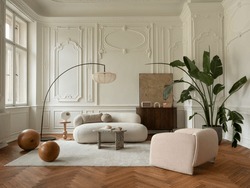
The contemporary residence has evolved beyond a straightforward place of shelter into a multi-dimensional environment where relaxation, professional focus, personal creativity, and family connection continuously intersect. Achieving equilibrium in such multifaceted spaces requires a deliberate departure from rigid aesthetic trends in favor of balanced interior architecture. When a home is designed with intentional harmony, every transition between private sleeping chambers, shared family hubs, and utility zones feels fluid and rejuvenating.
A primary consideration in cultivating a serene interior is the deliberate harnessing and distribution of daylight. Natural illumination inherently regulates human circadian rhythms, enhances mood, and visually enlarges smaller floor plans without structural alterations. By substituting heavy, opaque window coverings with light-filtering sheer fabrics and strategically positioning reflective wall elements, sunlight is guided deep into central hallways and dining quarters, reducing reliance on overhead artificial fixtures throughout the waking hours.
Spatial flow and furniture arrangement constitute another indispensable pillar of thoughtful living spaces. Rooms that suffer from visual clutter or congested walking paths inevitably trigger subtle cognitive friction and feelings of confinement. Arranging sectional seating, artisan coffee tables, and storage cabinetry to establish unobstructed pathways invites open movement. Thoughtful zoning allows multiple family members to engage in distinct activities concurrently without generating mutual disruption.
Texture and organic material selections serve as the tactile soul of any well-balanced home. Incorporating authentic elements such as hand-scraped solid timbers, woven natural fibers, porous stone accents, and soft linen textiles introduces rich organic character. These tactile contrasts stimulate the senses and counteract the cold, sterile impression often produced by flat modern synthetic surfaces, grounding occupants in comforting warmth.
Color theory plays an equally decisive role in dictating emotional ambiance across individual living quarters. Subtle earthy neutrals, muted sage tones, soft ocean blues, and warm creams establish calming backdrops that welcome evolving artwork and decorative accessories over time. Rather than overwhelming the senses with hyper-saturated walls, restrained base palettes grant rooms an air of timeless sophistication and allow seasonal sunlight variations to shift interior moods gently.
Acoustic serenity is frequently overlooked in modern open-concept residences, yet unwanted echo and noise reverberation directly degrade domestic tranquility. Uninsulated hard surfaces can cause conversations, appliance hums, and multimedia sounds to bounce aggressively across living dining spaces. Incorporating dense area rugs, acoustic plaster treatments, custom fabric wall hangings, and dense solid-core interior doors noticeably softens ambient reverberations, creating cozy pockets for quiet conversation and focused reading.
Storage integration is the unsung protector of domestic order and visual peace. Cluttered countertops and overflowing shelves quickly unravel even the most sophisticated design concepts. Designing floor-to-ceiling built-in millwork with recessed handles, hidden charging alcoves, and discreet under-stair compartments ensures everyday necessities remain accessible without commanding constant visual attention. This deliberate concealment leaves focal architectural planes unencumbered.
Ultimately, transformative interior design is not about rigid adherence to fleeting showroom motifs, but about fostering deep emotional connections between homeowners and their personal sanctuaries. When lighting, spatial geometry, soothing materials, and purposeful storage converge seamlessly, a residence becomes a restorative haven where occupants can unwind completely, recharge their spirits, and build lasting memories with loved ones.